Every child at CeSA is an individual first. These descriptions are starting points — not definitions. If your child's situation doesn't fit neatly into any category, please get in touch. We're here to help you figure it out together.
Autism Spectrum Disorder
A developmental condition that affects how a person communicates, interacts, and experiences the world around them.
What it looks like
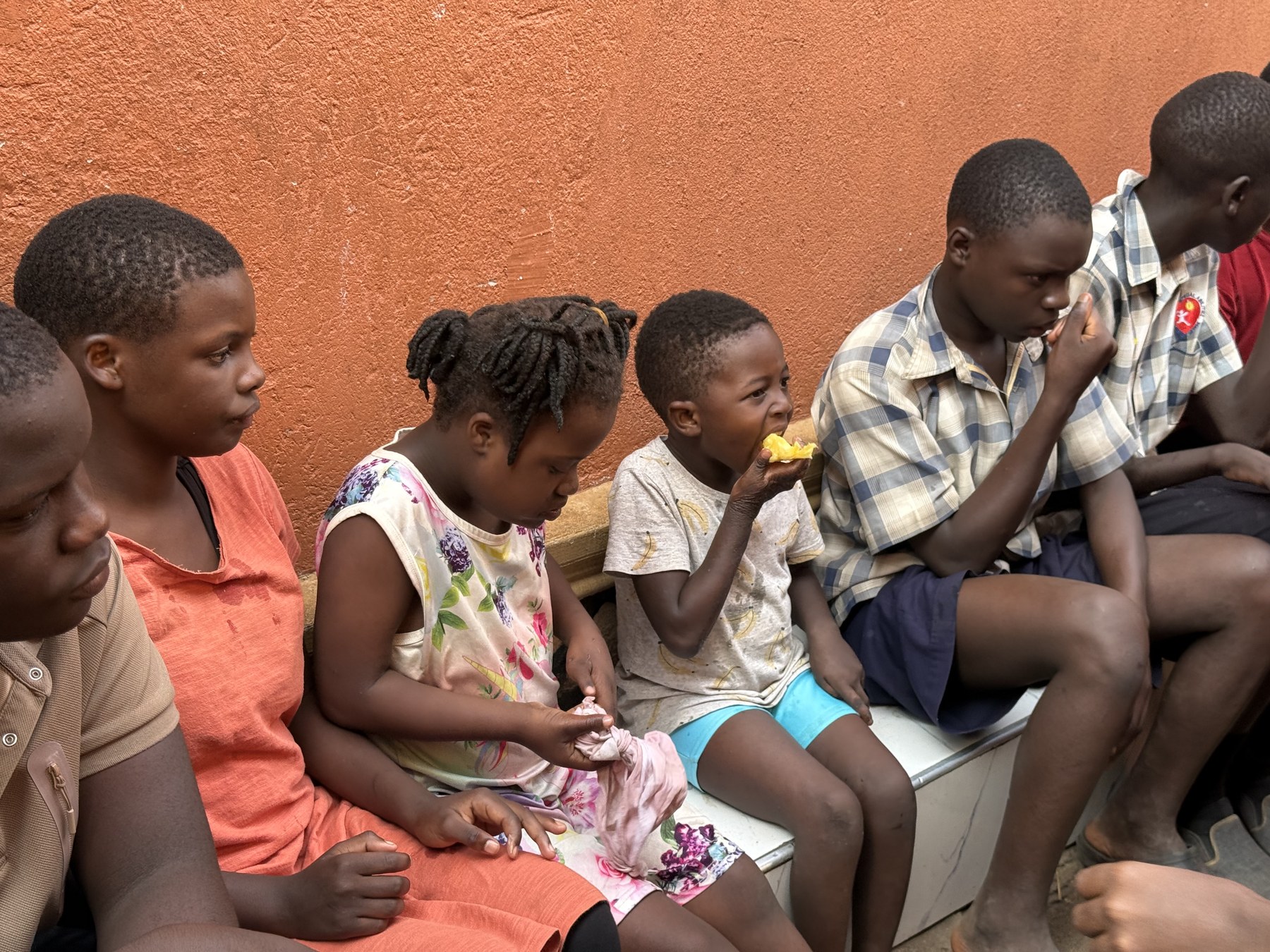
Autism presents differently in every person — which is why it's called a "spectrum." Some children with autism may have difficulty with social interaction, making eye contact, or understanding unspoken social rules. Others may have strong, focused interests, a preference for routine, or sensory sensitivities (being overwhelmed by sounds, lights or textures, for example).
Some autistic children are non-verbal; others communicate verbally but struggle in conversation. Some have exceptional abilities in specific areas like memory, music or mathematics.
How CeSA helps
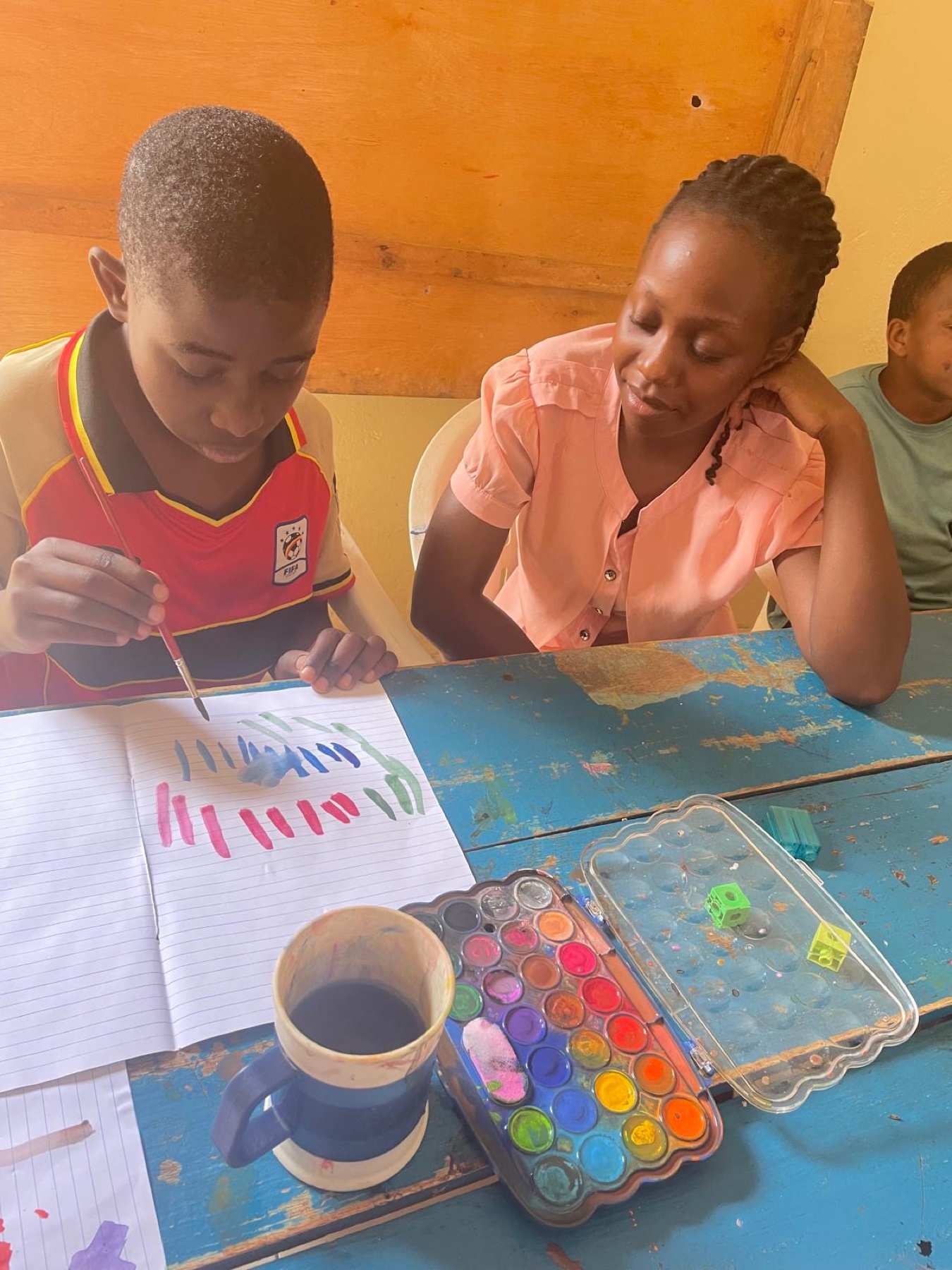
We use structured, consistent teaching methods, visual supports, and speech and language therapy to help autistic children communicate and engage with learning. We work closely with families to create consistent environments at home and school.
Dyslexia
A learning difference that primarily affects reading, writing and spelling — not intelligence.
What it looks like
Children with dyslexia often struggle to decode written words, read fluently, or spell accurately. They may mix up letters (like b and d), read slowly, or find it hard to remember sequences of sounds. This isn't about effort or ability — it reflects how the brain processes written language.
Many children with dyslexia are creative, verbally strong, and highly capable in areas that don't rely on text. With the right support, they can make significant progress in reading and writing.
How CeSA helps
We use multi-sensory reading and writing approaches — combining sight, sound and movement to build literacy skills. We also focus on building children's confidence, which is often affected when early school experiences have been difficult.
Down Syndrome
A genetic condition caused by an extra chromosome, which affects development in a range of ways.
What it looks like
Down syndrome is caused by an extra copy of chromosome 21. It leads to varying degrees of intellectual disability and may be associated with differences in physical development, speech, or health conditions such as heart problems or hearing impairment.
Children with Down syndrome often have warm, sociable personalities and make meaningful progress with the right support. Development typically happens at a slower pace, but with no fixed ceiling on what a child can achieve.
How CeSA helps
We offer a structured but nurturing learning environment, with small classes and individualised support. Speech and language therapy and occupational therapy are particularly valuable for children with Down syndrome, alongside adapted academic programmes.
Intellectual Impairment
Significant limitations in intellectual functioning and everyday adaptive skills, from an early age.
What it looks like
Intellectual impairment (sometimes called intellectual disability) refers to significant limitations in both intellectual functioning — such as learning, reasoning and problem-solving — and adaptive behaviour, which covers everyday social and practical skills like communication, self-care and safety.
The degree of support a child needs varies widely. Some children with intellectual impairment can learn to read, write and live semi-independently; others need more intensive and lifelong support.
How CeSA helps
We focus on functional learning — skills that make a real difference in a child's daily life. This includes communication, self-care, vocational skills, and social development. Goals are set with the individual child in mind, not against external standards.
Cerebral Palsy
A group of conditions affecting movement and motor skills, caused by differences in brain development.
What it looks like
Cerebral palsy (CP) affects movement, muscle tone and motor coordination, and can range from mild to severe. It is caused by differences in the developing brain — typically before, during or shortly after birth. CP can affect one limb, one side of the body, or all four limbs.
Some children with cerebral palsy also experience communication difficulties, learning differences, or epilepsy. Many have typical or above-average intelligence. No two children with CP are the same.
How CeSA helps
Physiotherapy is central to supporting children with cerebral palsy — building strength, mobility and independence. We also offer occupational and speech therapy, and adapt our classroom environment to ensure children with physical disabilities can access learning.